How it came about
The examination grew out of the 1976 VP-8 result. John Jackson and Eric Jumper, the two Air Force captains who had seen the relief come up on the screen at Sandia, organized a conference in Albuquerque in March 1977 to ask what tests could be run on the cloth itself. Out of that conference came the Shroud of Turin Research Project, STURP, a non-profit with a president, Tom D'Muhala, and a roster of thirty-three scientists and technicians, all at American institutions: Los Alamos, Sandia, the Jet Propulsion Laboratory, the Air Force Academy, the Air Force Weapons Laboratory, Oceanographic Services, the Brooks Institute of Photography, and others. Documented Roster Albuquerque 1977
Most of them were not Shroud believers. Some were. The president's rule: "I couldn't afford the luxury of opinion." Documented D'Muhala
The team spent eighteen months planning the tests, building the equipment, and rehearsing on a full-size replica. Permission to examine the cloth came from its owner, Umberto II, the last King of Italy, living in exile at Cascais in Portugal, and from its custodian, Anastasio Ballestrero, Archbishop of Turin. The Archbishop's scientific adviser, the physicist Luigi Gonella, was the team's liaison, and the microanalyst Giovanni Riggi handled the cloth and took samples. The Turin forensic professor Pierluigi Baima Bollone worked alongside. Documented Chronology
The one condition: nothing destructive. No material could be removed from the cloth beyond what tape lifts would carry. Carbon dating, which in 1978 would have required burning a piece of linen the size of a handkerchief, was not on the table. Harry Gove of the University of Rochester, who was developing a method that needed far less, asked Turin for a few threads that year and was refused. Documented Gove Marinelli
The summer before
The Shroud had been on public display from late August to 8 October 1978, for the four-hundredth anniversary of its arrival in Turin. More than three million people filed past it in the cathedral. Documented Sindone 1978 Among them, on 1 September, was the Cardinal Archbishop of Kraków, Karol Wojtyła, who came as a pilgrim. Documented JP II 1980
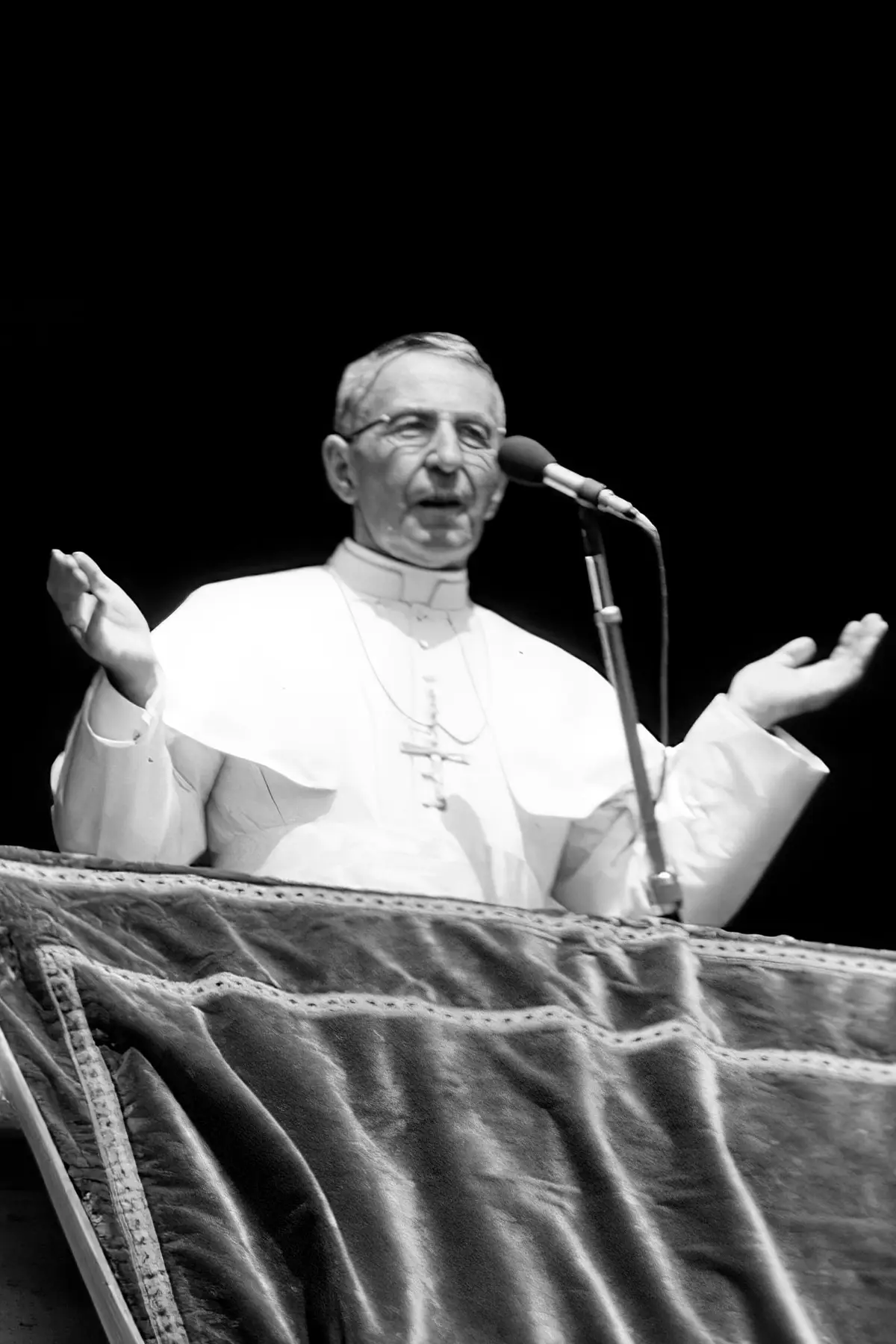
On 28 September Pope John Paul I died, thirty-three days into his papacy. The team flew out the next day, afraid the permission would be cancelled in the confusion. Documented Chronology
Their eighty crates of equipment had gone ahead by air freight and were sitting in Italian customs, which had impounded all eighty over a radiation warning label on one of them. The crates were released on 5 October. Documented Chronology
The room
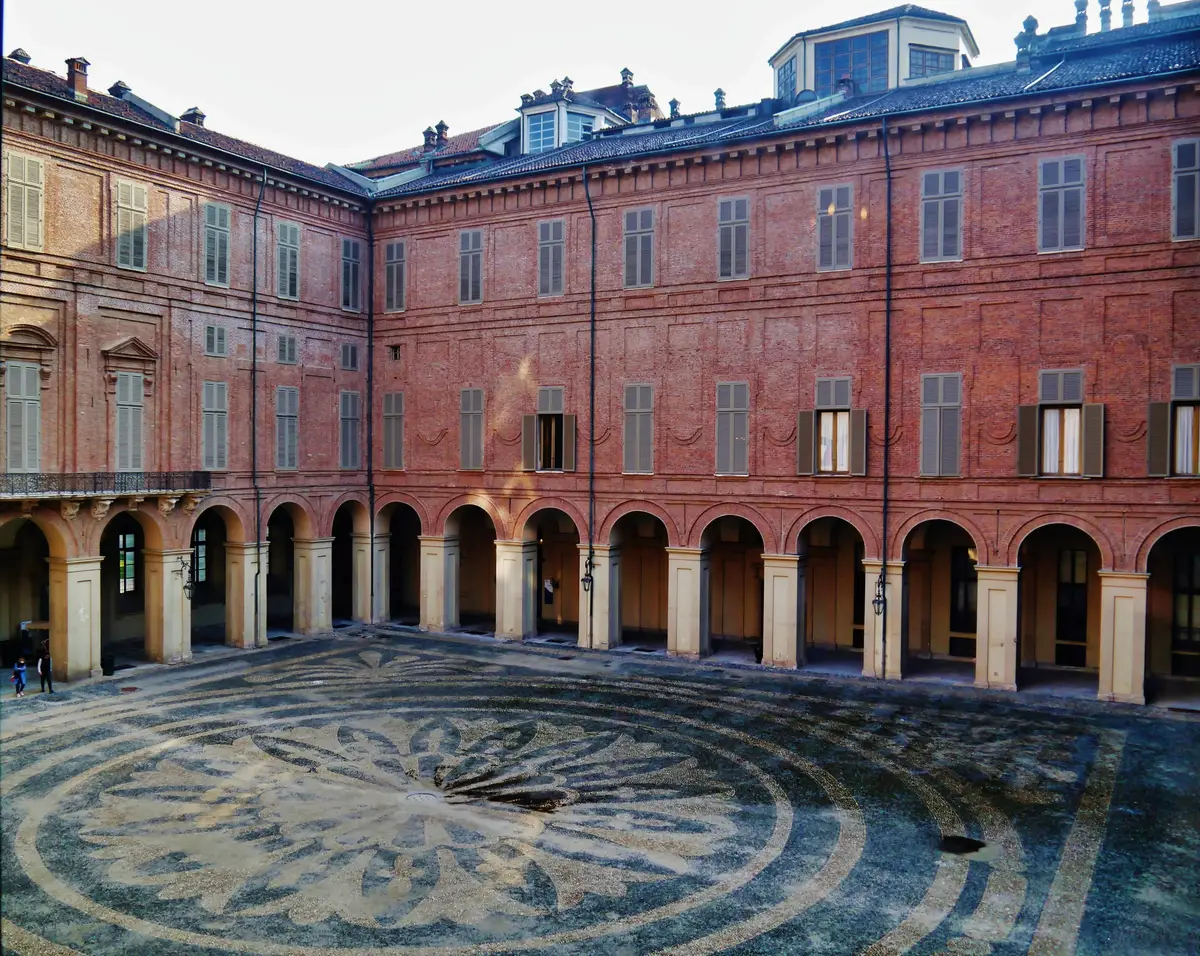
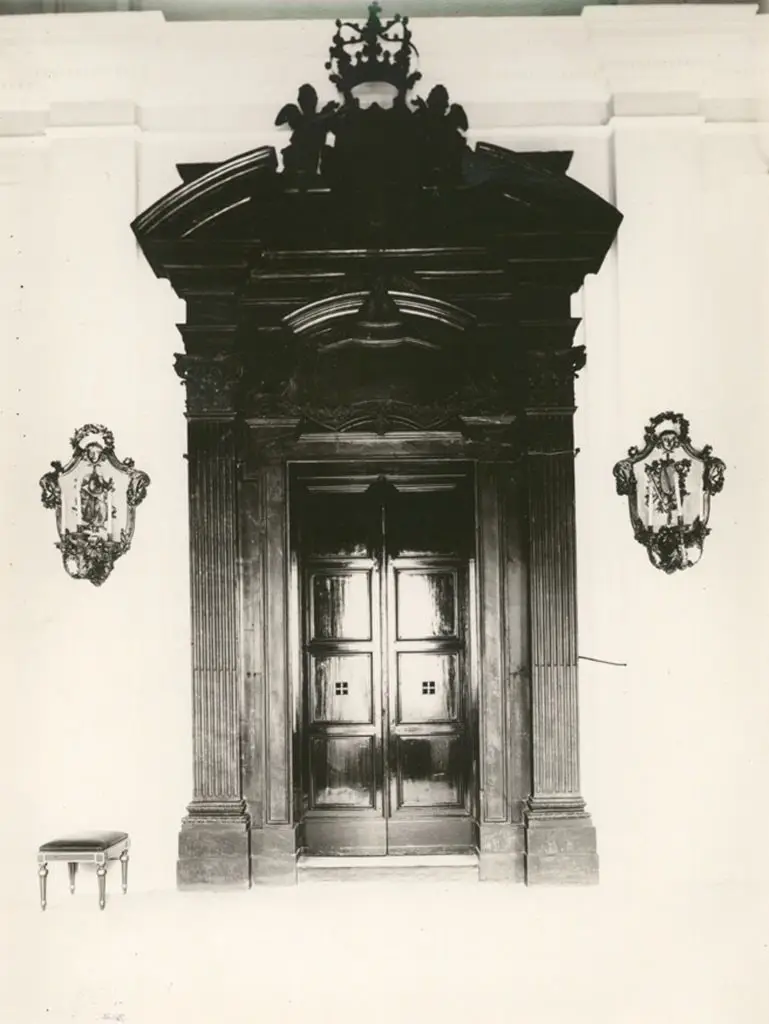
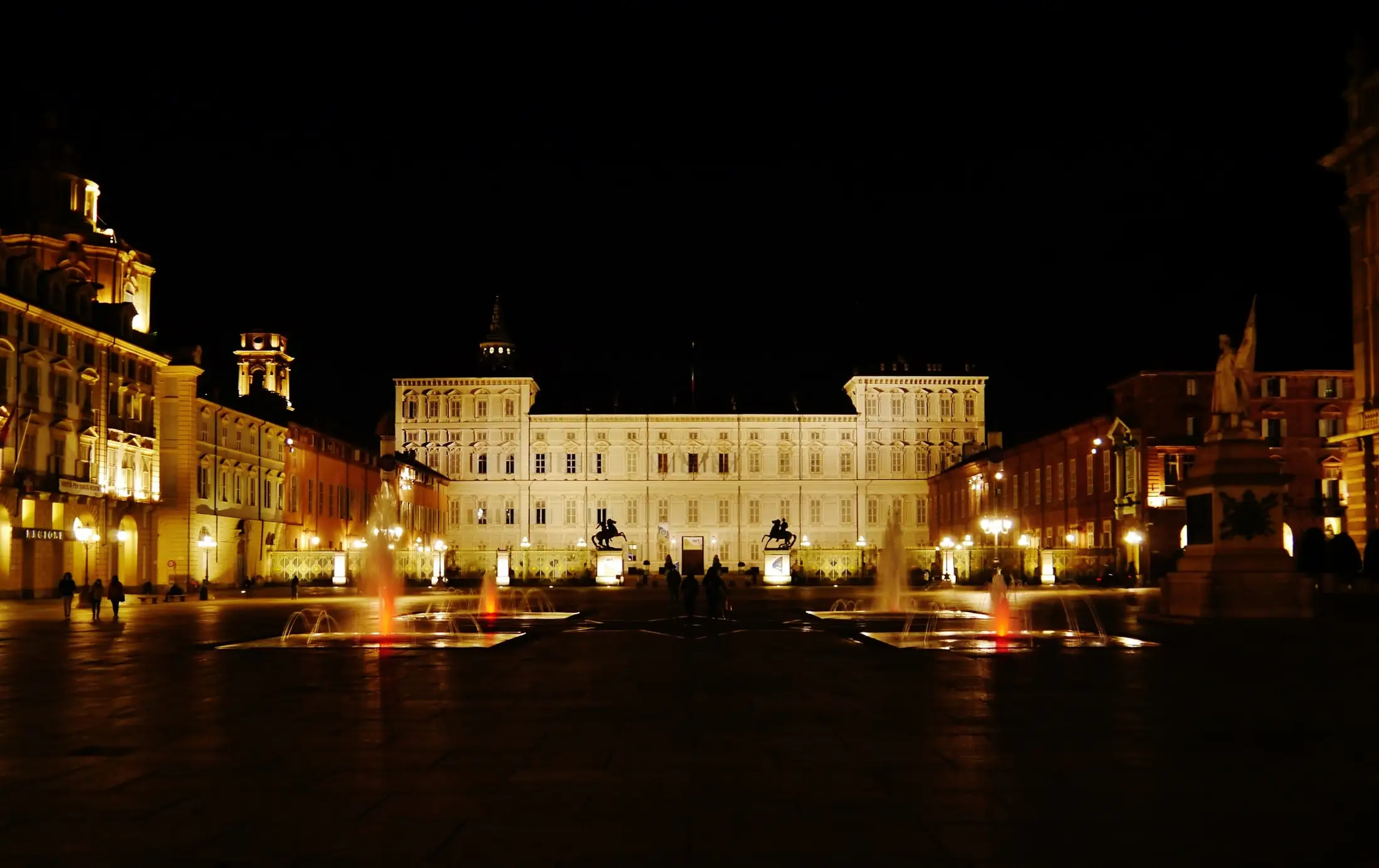
The examination took place in the Royal Palace of Turin, which stands beside the cathedral and is joined to it through the Guarini Chapel of the Holy Shroud, where the cloth was normally kept. The room used was the Hall of Visiting Princes, the Salone dei Principi, a reception room with frescoed ceilings and tall windows. Documented Chronology Schwortz 1978
In it the team had built a stainless steel examination table, designed by Don Devan, on which the cloth lay held by magnets around its edges, and which could be rotated to vertical so that cameras on a rail could photograph the whole surface in sections. The windows were covered. Lights, cameras, spectrometers, a portable X-ray unit and a darkroom were set up. Documented Schwortz 1978
The five days
On the night of Sunday 8 October, after the exposition closed, the Shroud was taken off display at about 10:45 p.m. and carried from the cathedral to the palace by clergy. Monsignor José Cottino, the Archbishop's representative, who had been born in New Bedford, Massachusetts, and Monsignor Sergio Baldi laid the cloth on the table, with help from Jackson, Jumper and Devan. The stitches holding the cloth to its exposition backing were removed. When the backing came away, a member of the team wrote that they were "about to see the back side of the Shroud... for the first time in nearly 450 years." Documented Chronology Schwortz 1978
The work ran around the clock from then until the evening of Friday 13 October, about 120 hours. The team worked in shifts; people came and went; the room was never sealed. Documented Chronology STURP exam page
What was done, in roughly the order the planning documents list it:
- Photography in visible light, with calibrated color and gray scales, by Vernon Miller of the Brooks Institute, with Barrie Schwortz documenting. These are the standard color photographs of the cloth used ever since. Documented Schwortz 1978
- Ultraviolet fluorescence photography, by Miller and Samuel Pellicori. This showed the serum halos around the blood and the fluorescing scorches, and the image not fluorescing. Documented Miller and Pellicori
- X-ray fluorescence spectrometry, by Roger Morris, Larry Schwalbe and Ron London, to look for heavy elements such as iron, calcium and strontium across image, blood and background areas. Documented XRF 1980
- X-radiography of the whole cloth, which showed the weave and the patches but no image, meaning nothing dense enough to stop X-rays made the image. Documented STURP 1981
- Infrared and visible reflectance spectroscopy, by Roger Gilbert, Marion Gilbert and Pellicori. Documented STURP 1981
- Thermography. Documented STURP 1981
- Photomicroscopy of the image, blood and scorched areas by Pellicori and Mark Evans. Documented STURP 1981
- Tape lifts: strips of a special adhesive tape made by 3M, with a pure hydrocarbon adhesive and an applicator that measured the pressure, pressed onto image, blood, scorch and clean areas and lifted off with whatever fibers and particles came with them. Raymond Rogers of Los Alamos took thirty-two of these. They became the samples for the chemistry done over the next three years, and the samples Walter McCrone examined. Documented Rogers 2005 Heller and Adler
- Contact experiments on volunteers and on a replica, to see what a cloth laid on a body records. Documented Jumper and Mottern
Max Frei, the Zurich criminalist who had taken pollen samples in 1973, took more during the examination. Documented Frei Riggi vacuumed dust from between the cloth and its backing, the dust that would be sequenced for DNA thirty-seven years later. Documented Chronology
On Saturday 14 October the cloth went back into its casket. The same day, in Rome, the cardinals were sealed into the Sistine Chapel. On 16 October they elected Wojtyła, three days after the examination ended. Documented Conclave 1978 Chronology
What they went home with
Not a verdict. Thousands of photographs, spectra and X-rays, and thirty-two tapes of fibers and particles. The chemistry on the tapes took three years. In 1979 and 1980 McCrone announced that he had found paint. In 1980 and 1981 Heller and Adler published the blood chemistry and the finding that there was no pigment. In October 1981, at a press conference in New London, Connecticut, the project released its one-page summary of conclusions. Documented STURP 1981 McCrone Heller and Adler
There was no press conference in Turin in 1978, and no statement signed in the room.
Why it has never happened again
In 1988 the cloth was sampled for radiocarbon dating. See The Dating. Since then the custodians have permitted conservation work, including the 2002 restoration and the 2008 high-resolution photography, but no new program of testing and no second dating. Documented STURP exam page Conservation
Last checked 2026-10-20.